
This paper discusses minor but crucial aspects of working on a website or its improvement. Two unimportant properties – ‘none’ and ‘no-referrer’ and the other four are vital while controlling the external links’ behavior. Familiarity with and proper use of these attributes enhances your site’s security and search engine rankings. In this article, the author defines what no opener and no-referrer mean, why they are helpful, and how they should be used.
Understanding no opener-referrer
No opener and referrer are attributes linked to the rel attribute of an HTML tag. This attribute specifies how links should be processed when users click them simultaneously.
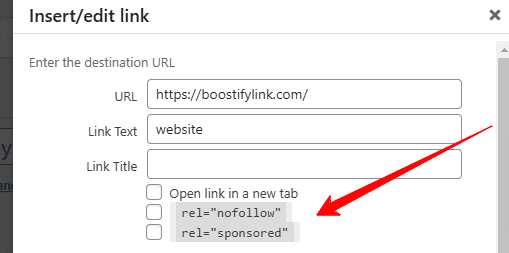
- No opener dimension. This value prevents the new page opened by a link from being controlled by the referring window via JavaScript. A linked page can run a script to change the original page or collect valuable data, such as a password, if no opener exists.
- No-referrer: This attribute enables you to stop the browser from sending HTTP referer information to the connected website. In other words, the destination page cannot identify the specific page that sent traffic their way.
These attributes help improve security and privacy. When combined, they can reduce some of the present security risks.
The Security Risks of not using a no-opener with no-referrer
If you fail to address link management, you may find your website severely attacked by other websites. One common issue arises from a vulnerability called window .opener exploitation:
- Window. Opener Vulnerability: When you open another website in a new tab and use the target=”_blank” attribute, the new tab gains access to the window.opener property. This allows the external site to run JavaScript and, in the process, alter your original site.
- Phishing and Hijacking Risks: A malicious website can be used as a window opener, and the content of the original website can be redirected to another phishing website, prompting users to enter their sensitive credentials.
Adding rel=’noopener‘ turned off this connection to avoid suspecting such manipulations with your site.
The Privacy Aspect: using referrer
The referrer attribute prevents the URL from the last website visited from being copied to the destination site. This enhances the user’s privacy and protects referral references from exposure to other domains outside the application. It may also be helpful in selected SEO Best practices where one does not want to pass link juice or refer data to another website.
The SEO Implications of the no-opener no-referrer
When it comes to SEO, using the opener no-referrer has mixed implications:
- No Direct Impact on Rankings: Nothing that puts these attributes on your website affects your search engine ranking. Search engines that use Google (such as Google itself) will not penalize a site for using these attributes, nor will they help the site’s rankings by following them.
- Link Juice Flow: The referrer attribute may restrict referral data, but that doesn’t mean it forces SEO away from link equity (link juice). Not all SEO experts, however, suggest that nofollow or no-referrer attributes limit the SEO benefits of external links.
- User Experience and Trust Signals: Browsing security can have indirect SEO advantages. More engaging sites prioritize user security and privacy and build user trust.
How to use Noopener Noreferrerr
Deciding to use no opener or no-referrer is easy and follows this. Here is a sample HTML code showing how to apply these attributes:
<a href=”https://example.com” target=”_blank” rel=”no openopenererrerr”>Visit Example</a>
In this example:
target="_blank"Opens the link in a new tab.rel="noopener noreferrer"ensures that your site remains secure by turning off thewindow.openerproperty and withholding referrer information.
Recommendations on the no-opener no-referrer
- Always Use rel= “no opener-referrer” with target=”_blank”: Adding these attributes should be standard practice when creating links that open in a new tab.
- Use rel=”nofollow” to prevent a passing link equity to specific sites, and use the appropriate referrer settings when applicable.
- Review External Links Periodically: Regularly check your site’s external links to ensure they are secure and follow best practices for user privacy.
Tools to Help Implement Real Attributes
With many external links to your website, adding No opener-referrer can be time-consuming. Several tools and plugins can help streamline this process:
- WordPress Plugins: For example, plugins such as “External Links” or “WP External Links” will automatically add the no-opener or no-reference attributes to links on your site.
- SEO Audit Tools: Tools like Ahrefs, Moz, or SEMrush can help you better understand how your site is ‘linked’ and recommend areas for improvement in security and privacy.
Conclusion
It can also benefit most websites by teaching them how to properly implement or change the no-referrer or open policy, which prevents the automatic sending of referer headers in subsequent links. This can boost security and privacy without negatively affecting SEO. Most of these attributes do not directly affect search engine rankings. Still, they protect your website and visitors. Adopting and using them shows that you have user safety and live in a safe city, which creates trust and, in turn, positive engagement.
Wow, this piece of writing is good, my sister is analyzing these kinds of things, thus
I am going to convey her.