
Businesses want better social results but struggle to understand what a social media content creator actually does and whether they truly drive growth. Most confusion comes from mixing creators with influencers, managers, tools, or generic content production. This page clearly explains the role, shows when and why businesses need one, and provides a practical framework for evaluating, hiring, and using social media content creators effectively.
What Is a Social Media Content Creator?
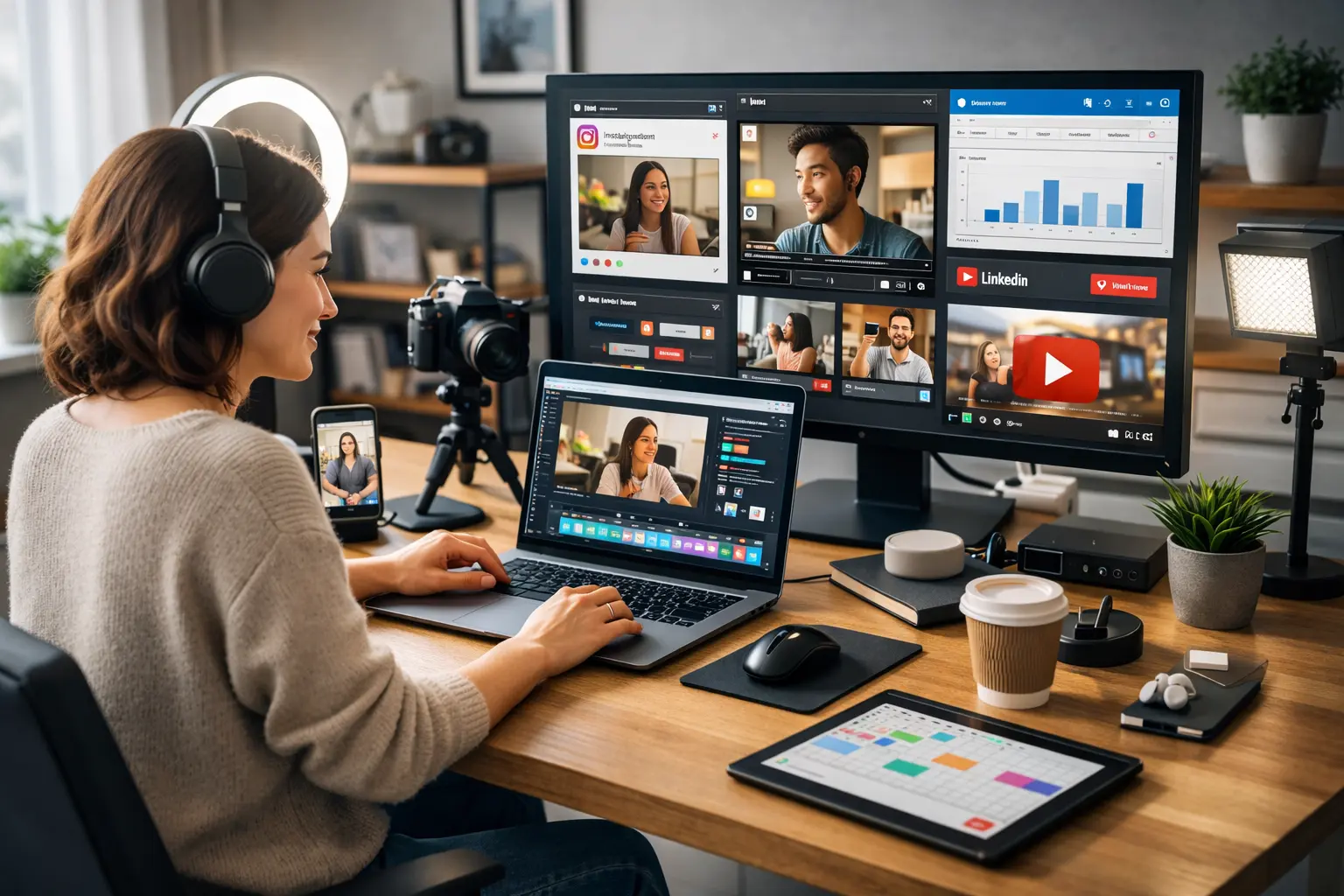
A social media content creator is a professional responsible for planning, producing, and optimizing content designed specifically for social platforms to support business goals. Their work focuses on creating platform-native content that attracts attention, builds trust, and supports marketing outcomes, not personal fame.
Unlike influencers, content creators are content-first, not audience-first. Their value comes from creative execution, storytelling, and consistency rather than follower size. How to Drive Social Media Growth, please visit.
Internal vs External Content Creators
- Internal creators work inside a company and focus exclusively on the brand’s messaging, products, and long-term content system.
- External creators (freelancers or contractors) provide specialized skills, speed, or format expertise without long-term hiring commitments.
Both models can work. The decision depends on content volume, brand maturity, and budget.
Content-First, Not Fame-First
A content creator’s success is measured by content performance and reuse value, not popularity. Many high-performing creators have modest audiences but deliver exceptional creative output for brands.
Social Media Content Creator vs Other Roles
Content Creator vs Social Media Manager
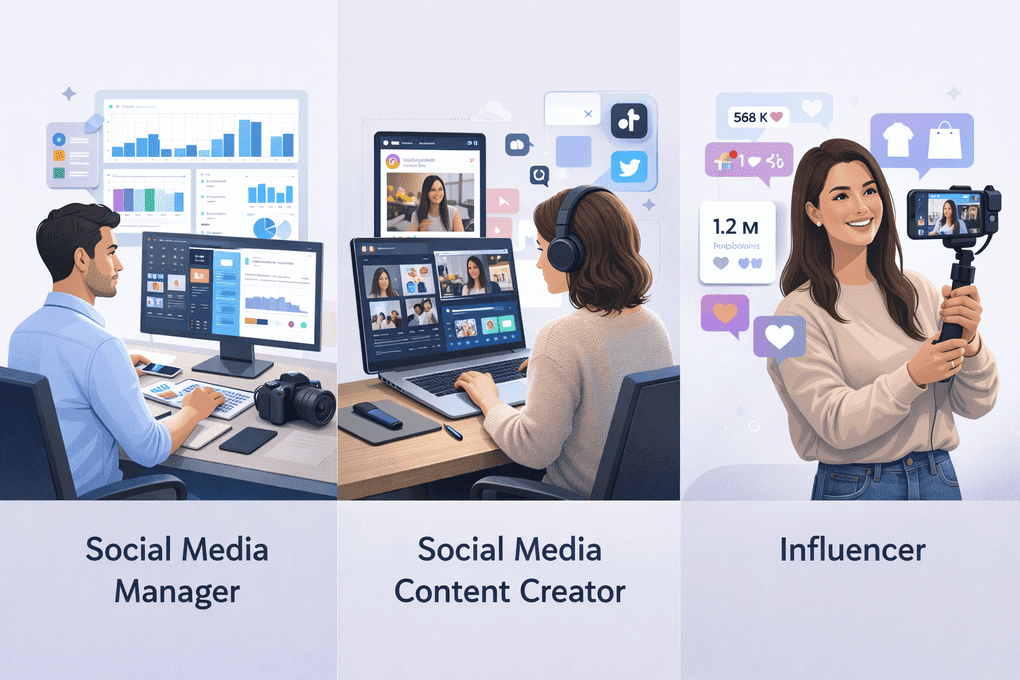
A social media content creator produces content. A social media manager owns strategy, scheduling, community engagement, and reporting.
- Creator: filming, editing, design, captions, creative execution
- Manager: planning, calendars, publishing, replies, analytics
Expecting one person to do both at scale usually leads to burnout or declining quality.
Content Creator vs Influencer
Influencers build audiences to promote themselves. Content creators build content to promote brands.
Influencers monetize attention. Content creators monetize their creative skills. Some individuals do both, but the roles are not the same.
Content Creator vs In-House Marketing Team
Marketing teams define direction and goals. Content creators execute visually and creatively. The strongest brands separate strategy ownership from content execution.
What Does a Social Media Content Creator Do for Businesses?
A content creator’s responsibilities go beyond posting visuals. Their role connects creative output with marketing objectives.
Content Ideation and Production
Creators generate ideas aligned with brand positioning and audience behavior, then produce videos, graphics, and written content optimized for attention and retention.
Platform-Specific Execution
Effective creators understand how content behaves differently on platforms like Instagram, TikTok, LinkedIn, and YouTube. They adapt formats, pacing, and visuals accordingly.
Repurposing Content Across Channels
One high-quality asset can be reused across ads, landing pages, email campaigns, and social posts. Creators build libraries, not one-off posts.
Collaboration With Marketing and SEO Teams
Creators work with marketers to align messaging and with SEO teams to support discoverability, consistency, and long-term brand assets.
Performance Feedback Loop
While creators may not own analytics tools, they use feedback from engagement, watch time, and conversions to refine future content.
Why Businesses Hire Social Media Content Creators
Faster Content Production Without Burnout
Dedicated creators reduce pressure on marketing teams and enable consistent output without sacrificing quality.
Higher Engagement Through Platform-Native Content
Creators design content specifically for how people consume social media, not recycled ad creatives.
Brand Consistency Without Agency Overhead
Hiring creators is often more cost-effective than agencies while maintaining creative continuity.
Scalable Content Systems for Growth
Creators help brands move from sporadic posting to structured, repeatable content systems.
When Should a Business Hire a Social Media Content Creator?
Clear signals include:
- Content quality is inconsistent
- Posting frequency is limited by internal capacity
- Engagement has plateaued
- Video or short-form content is missing
Early-Stage vs Scaling Brands
- Early-stage brands benefit from freelance creators for speed and experimentation.
- Scaling brands benefit from in-house creators to protect voice and volume.
In-House vs Freelance Decision Logic
If content is core to revenue or branding, internal makes sense. If content is campaign-based or experimental, freelancing is more flexible.
How to Find the Right Social Media Content Creator (Framework)
Step 1 – Define Content Goals, Not Follower Count
Decide whether you need awareness, education, conversion support, or content libraries.
Step 2 – Match Creator Skill to Platform Needs
Short-form video, design-heavy posts, or educational content each require different skill sets.
Step 3 – Evaluate Portfolios With Performance Logic
Look for clarity, consistency, and evidence of results, not just aesthetics.
Step 4 – Test With a Pilot Project
A short trial reveals communication style, reliability, and creative fit better than interviews alone.
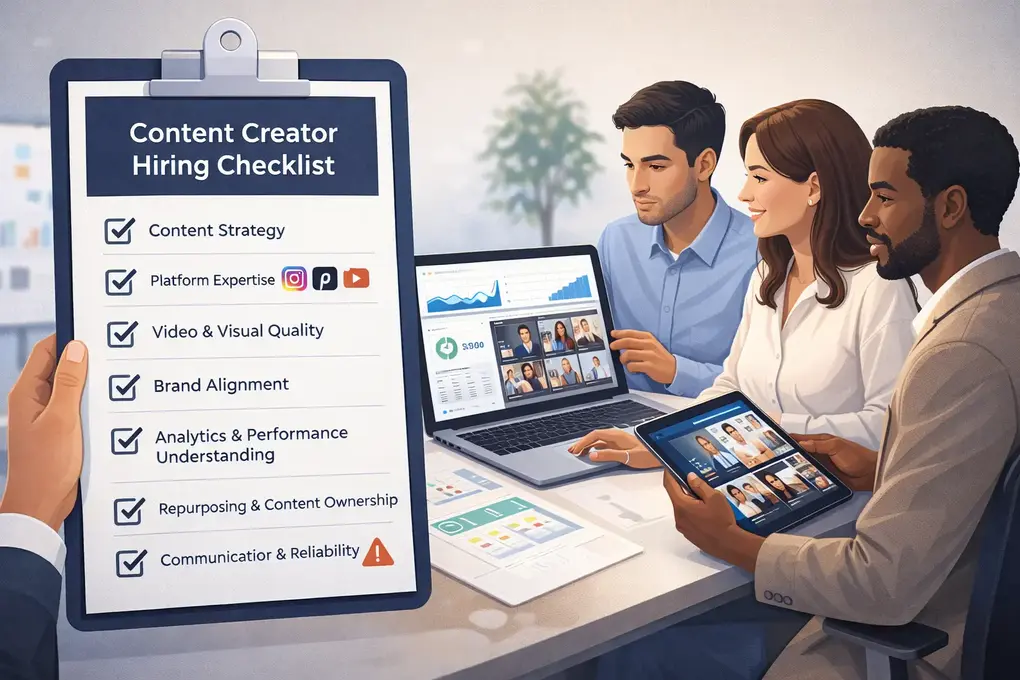
Hiring Checklist for Social Media Content Creators (Unique)
Skills Checklist
- Visual storytelling
- Editing and formatting
- Caption and hook writing
- Creative consistency
Platform Expertise Checklist
- Deep knowledge of at least one primary platform
- Understanding of trends without copying
- Ability to adapt content formats
Brand Alignment Checklist
- Tone compatibility
- Industry understanding
- Willingness to follow brand guidelines
Red Flags to Avoid
- Obsession with follower counts
- No portfolio or vague results
- Resistance to feedback
- Unclear content ownership terms
Common Mistakes Brands Make With Content Creators
- Hiring influencers when they need creators
- Chasing reach instead of relevance
- Failing to secure content reuse rights
- Setting no performance expectations
These mistakes lead to wasted spend and inconsistent brand presence.
Real-World Use Cases (Business-Focused)
Small Businesses
Local brands use creators to build trust through behind-the-scenes content and short videos.
SaaS and Service Brands
Creators translate complex ideas into simple visuals and educational clips that support lead generation.
E-commerce Brands
Creators produce product demonstrations, lifestyle visuals, and ad-ready assets that improve conversion rates.
Measuring the Impact of a Social Media Content Creator
Success is not just likes or views.
Engagement Quality
Comments, saves, shares, and watch time matter more than reach alone.
Content Reuse Value
High-performing content can support ads, websites, and email campaigns.
Conversion Support
Creators assist the funnel by educating and warming audiences.
Long-Term Brand Assets
Consistent content builds recognition and trust over time. For a complete visual explanation of this concept, watch the full breakdown on YouTube.
FAQs About Social Media Content Creators
Do small businesses need one?
Yes, especially if content consistency or quality is limiting growth.
Is hiring a creator better than an agency?
Creators offer focus and flexibility. Agencies offer breadth. The right choice depends on scale.
How much control should brands keep?
Brands should define goals and guidelines while allowing creative freedom in execution.
Can one creator handle multiple platforms?
Yes, but usually with one primary platform and secondary adaptations.
Final Takeaway
A social media content creator is not an influencer, a tool, or a trend. They are a strategic creative role that helps businesses produce consistent, platform-native content that supports real marketing outcomes. When hired and managed correctly, content creators become long-term growth assets, not short-term experiments.