
Over the years, link building has been seen mainly as a numbers game. The more such links a website possessed, the higher it was ranked–at least on the surface. Search engines are considered quite differently today. The question of the quantity of links you have is no longer asked; rather, the focus is on how valuable and relevant the links are.
This article explores link quality vs quantity, explains how search engines assess links, and clarifies which approach delivers stable, long-term rankings.
Understanding Link Quality and Link Quantity
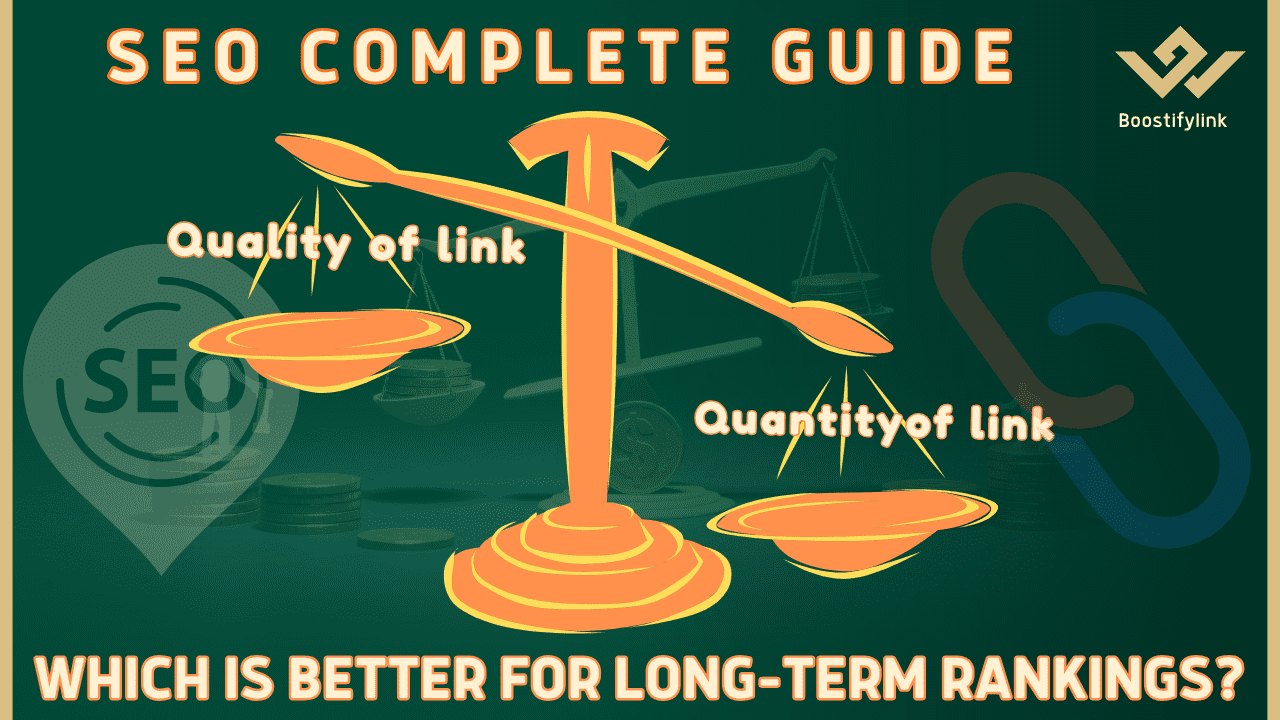
It is worth defining each term before comparing the two.
What Is Link Quantity?
The total number of backlinks is known as the link quantity. Previously, having many links was associated with better rankings, regardless of the source of those links.
What Is Link Quality?
The quality of the link concerns its origin and positioning. Good links are usually provided by:
-
Relevant websites
-
Trusted and established domains
-
Contextual content
-
Pages with real traffic and engagement
These factors have been given priority in search engines rather than sheer volume.
How Search Engines Evaluate Links Today
The links are evaluated by the current algorithms based on several signals, which include:
- Website relevance
- Content context
- Editorial placement
- Natural link patterns
- Measures of trust and authority.
This implies that a single, high-quality, and relevant link may be more valuable than dozens of poor-quality links.
Why Link Quality Matters More for Long-Term SEO
Builds Trust and Authority
Trust signals are links to reputable websites. They indicate which search engines consider your content valuable.
Supports Stable Rankings
Good-quality backlinks also lead to stable ranking performance, not a high ranking followed by a decline.
Aligns with Google’s Guidelines
Google and Yahoo search engines oppose manipulative links. Search engine best practices remain in line with quality-oriented strategies.
Improves User Experience
Quality links refer actual users to your webpage where:
- Engagement
- Time on page
- Content discovery
These user signals indirectly improve SEO performance.
The Risks of Focusing on Link Quantity
The problems associated with seeking link quantity and not quality include:
- Irrelevant or spammy links
- Unnatural link patterns
- Reduced trust signals
- Ranking volatility
In other instances, too many bad links may not only damage long-term search visibility, but may also make it worse.
Is Link Quantity Completely Irrelevant?
Not entirely. The number of links remains important when quality is added.
A natural link profile includes:
- Interdomain links.
- A mix of anchor text types
- Slow linkage development with time.
Link Quality vs Quantity: A Practical Comparison
| Factor | Link Quality | Link Quantity |
|---|---|---|
| SEO Value | High | Low to moderate |
| Ranking Stability | Strong | Unstable |
| Risk Level | Low | Higher |
| User Value | High | Often low |
| Long-Term Impact | Positive | Inconsistent |
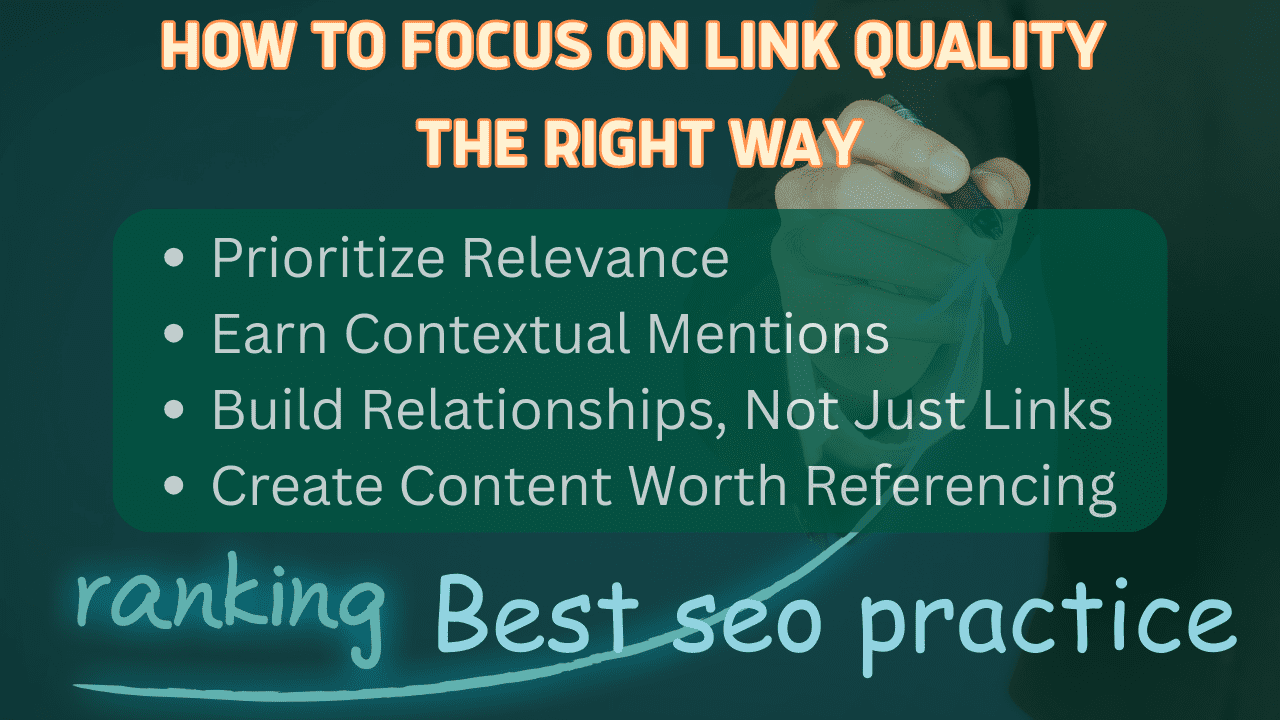
How to Focus on Link Quality the Right Way
1. Prioritize Relevance
Links should come from websites that align with your topic, industry, or audience.
2. Earn Contextual Mentions
Links placed naturally within applicable content carry more value than links added without context.
3. Build Relationships, Not Just Links
Long-term SEO success comes from editorial mentions and genuine collaborations, not automated placements.
4. Create Content Worth Referencing
High-quality content attracts natural links over time, improving both quality and quantity organically.
Final Verdict: Which Is Better for Long-Term Rankings?
As regards quality vs quantity, the answer is obvious:
👉 Link quality is more important for long-term rankings.
Although link volume may help improve visibility in the short term, high-quality links can build trust, enhance relevance, and drive long-term SEO. Few high-quality, relevant backlinks will always be superior to large numbers of worthless links.
To achieve sustainable growth, aim for fewer, yet superior, links that are relevant to users and align with the current search engine view of authority.