
Internal linking best practices play a vital role in building a strong SEO foundation for any website. Proper internal linking helps search engines understand your site structure, improves user experience, and distributes link equity across important pages. When done correctly, internal links can significantly boost rankings and visibility in search results.
What Is Internal Linking in SEO?
Internal linking in SEO refers to linking one page of a website to another page within the same domain. These internal links help search engines discover, crawl, and index content efficiently.
In simple terms, internal links in SEO connect related content and create a clear website structure. Proper linking in SEO ensures that users and search engines can easily navigate through your site and understand how different pages relate to each other.
Why Is Internal Linking Important for SEO?
Many website owners ask: why is internal linking important for SEO?
Internal linking best practices help search engines identify the most important pages on your site. Internal links SEO benefits include:
-
Better crawlability and indexing
-
Improved page authority distribution
-
Enhanced user experience
When internal links SEO strategies are implemented correctly, search engines understand your content better, leading to improved rankings.
How Backlinks and Internal Linking Work Together to Improve SEO Rankings
Along with internal linking best practices, off-page SEO also plays a crucial role in improving search engine visibility. Topics like Backlinks for SEO: How Quality Links Improve Search Engine Rankings explain how high-quality backlinks strengthen website authority and enhance trust in the eyes of search engines.
When internal links and backlinks work together as part of a balanced SEO strategy, they help distribute link equity effectively, improve site structure, and ultimately lead to higher rankings and better organic performance.
Types of Internal Links
Understanding the types of internal links is essential for applying SEO internal linking best practices effectively.
1. Navigational Links
These links appear in menus and help define the overall internal linking website structure.
2. Contextual Links
Placed naturally within content, contextual links are the most powerful form of internal links in SEO.
3. Footer and Sidebar Links
These links support navigation and help users access important pages easily.
SEO Internal Linking Best Practices
This is the core section where seo internal linking best practices truly matter.
Use Relevant Anchor Text
Anchor text should be descriptive and relevant, helping users and search engines understand the linked page.
Link Only Related Content
Linking unrelated pages can weaken your SEO internal linking best practice strategy.
Maintain a Logical Internal Link Structure
A clean and logical structure ensures smooth page authority flow across the website.
Avoid Over-Optimization
Adding too many internal links on a single page can harm SEO instead of helping it.
Following these internal linking best practices strengthens your website’s overall SEO performance.
Internal Links Example
An internal links example makes the concept easier to understand.
For instance, if you have a blog post about “SEO Basics,” you can link it to another article discussing internal links SEO. This helps users explore related topics and improves topical relevance.
Such internal links in SEO enhance both usability and rankings.
How Internal Linking Improves SEO Performance
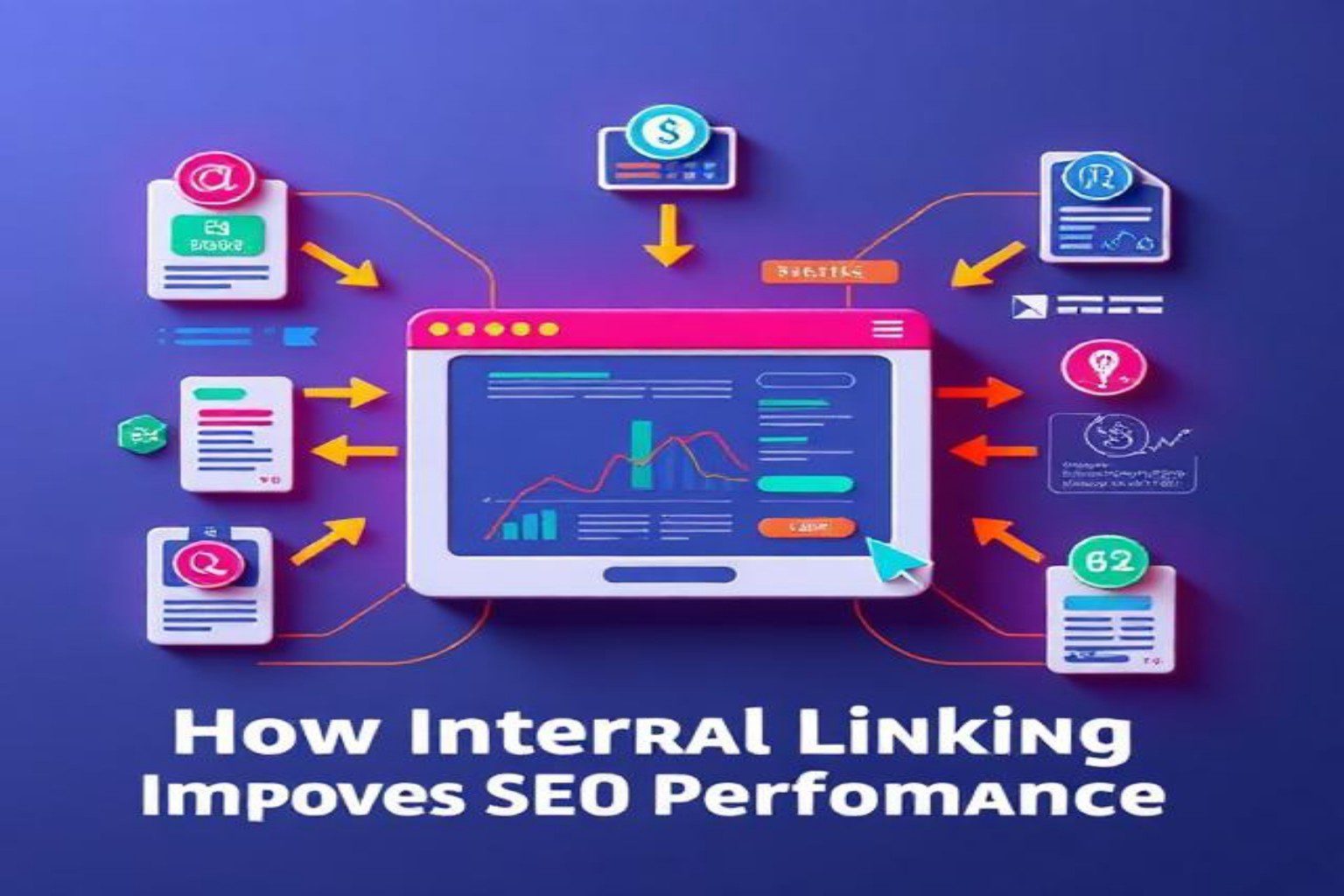
Internal links SEO benefits go beyond navigation. Proper internal linking best practices help by:
-
Distributing page authority across important pages
-
Helping search engines crawl deeper pages
-
Improving indexing speed
A strong internal linking strategy ensures that no valuable page remains hidden from search engines.
Common Internal Linking Mistakes to Avoid
To follow SEO internal linking best practice, avoid these common mistakes:
-
Broken internal links
-
Using the same exact-match anchor text repeatedly
-
Leaving important pages orphaned
These issues reduce the effectiveness of internal links SEO strategies.
Best Internal Linking Tools for SEO
Using the right internal linking tools can simplify optimization.
Popular internal links tool and seo tools for internal links include:
These tools help analyze internal linking website structure and fix issues efficiently.
Internal Linking Strategy for a Website
A strong internal linking website strategy includes:
-
Linking high-authority pages to important content
-
Connecting blog posts with relevant service pages
-
Maintaining a clear content hierarchy
This structured approach ensures proper implementation of internal linking best practices.
Final Thoughts on Internal Linking Best Practices
In conclusion, internal linking best practices are a powerful yet often overlooked SEO factor. By applying seo internal linking best practices, you can:
-
Improve search engine rankings
-
Enhance user experience
-
Help search engines understand your content better
Strong internal links are essential for long-term SEO success.