
Most online stores struggle to rank on Google, not because of SEO complexity but because of inevitable mistakes that silently stifle growth. Such mistakes are not always evident, but they will directly influence search engine crawling, interpretation, and assessment of the online store.
The article covers the most common mistakes in ecommerce SEO that make rankings impossible, why they are essential, and how store owners can avoid them.
1. Using Duplicate Product Descriptions
One of the most common ecommerce SEO errors is using the same product descriptions across multiple pages—or copying manufacturer-provided descriptions.
Why this is a problem:
Search engines struggle to identify which page is unique or valuable
Duplicate content weakens ranking potential
Pages fail to stand out in search results
Every product page should provide original, helpful descriptions that clearly explain features, benefits, and use cases.
2. Ignoring Category Page Optimization
Many ecommerce websites focus only on product pages and neglect category pages. This is a significant missed opportunity.
Poorly optimized category pages often:
Contain little or no descriptive content
Provide no context for search engines
Fail to target meaningful search queries
Well-structured category pages help search engines understand your site hierarchy and often attract higher-intent traffic.
3. Weak Website Structure and Navigation
A confusing website structure makes it difficult for both users and search engines to navigate your store.
Standard structure issues include:
Important pages are buried too deeply.
Inconsistent category organization
Poor internal linking
A clear and logical structure improves crawlability, user experience, and overall ecommerce SEO performance.
4. Poor Handling of Filters and URL Parameters
Product filters are helpful for users, but can create serious SEO issues if mishandled.
Common problems:
Thousands of unnecessary URLsare being indexed
Duplicate or near-duplicate pages
Wasted crawl budget
Filters should improve usability without creating SEO clutter. Not every filtered page needs to appear in search results.
5. Slow Page Speed and Performance Issues
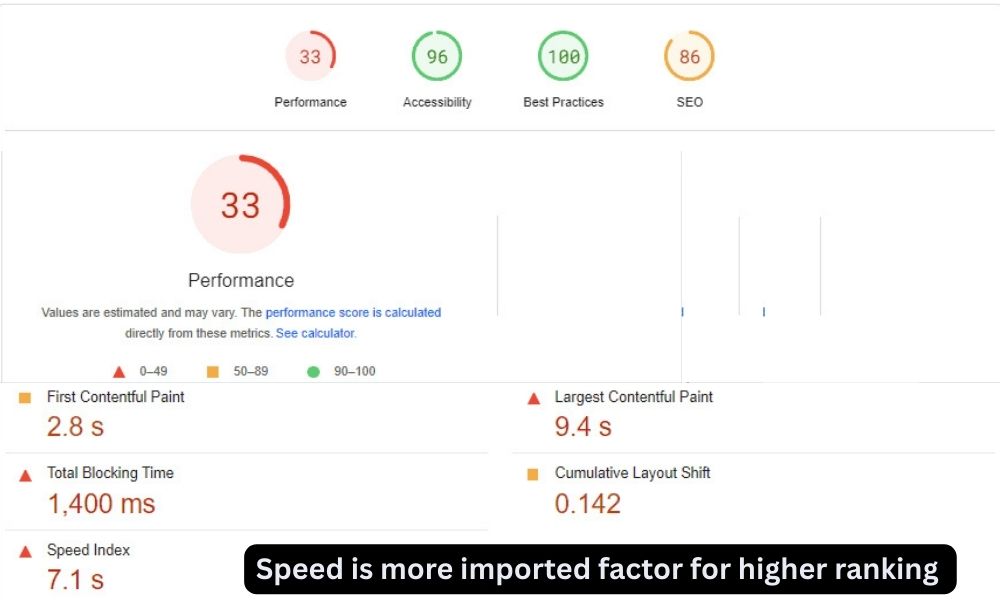
Page speed is a known ranking factor and a major user experience signal.
Slow ecommerce websites often suffer from:
Large, unoptimized images
Heavy scripts and plugins
Poor hosting performance
Slow-loading pages increase bounce rates and reduce engagement, both of which negatively impact rankings.
6. Poor Mobile Experience
Most ecommerce traffic now comes from mobile devices, yet many stores still treat mobile optimization as secondary.
Common mobile SEO issues:
Text too small to read
Buttons too close together
Pages that load slowly on mobile
A poor mobile experience discourages users and limits search visibility due to mobile-first indexing.
7. Incorrect Handling of Out-of-Stock Products
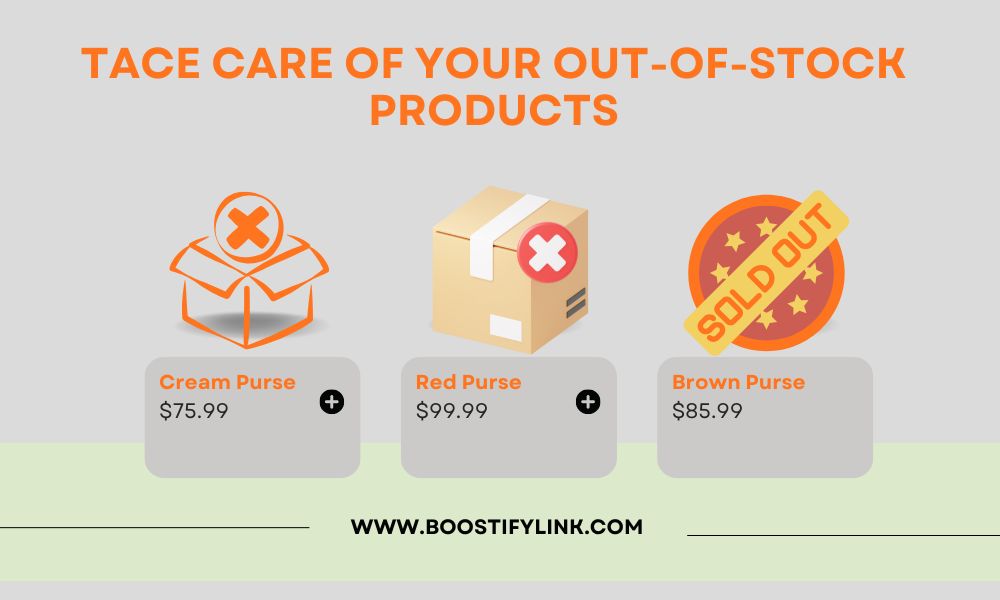
Removing out-of-stock product pages without planning can result in lost SEO value.
Common mistakes include:
Deleting pages instead of keeping them live
Failing to redirect discontinued products properly
Not offering alternative product suggestions
Search engines prefer stable URLs with clear signals about availability.
8. Overusing Keywords or Trying to “SEO” Every Sentence
Keyword stuffing is still a problem in ecommerce SEO, especially on product and category pages.
Over-optimization often leads to:
Unnatural, low-quality content
Poor user experience
Reduced trust from search engines
SEO works best when keywords are used naturally, and content is written for real people.
9. Missing or Poorly Written Meta Titles and Descriptions
Meta titles and descriptions help search engines understand pages and influence click-through rates.
Common errors:
Duplicate meta titles across pages
Titles that are too long or unclear
Descriptions that add no value
Clear, accurate metadata improves visibility and user engagement.
10. Failing to Monitor and Fix Technical SEO Issues
Many ecommerce websites launch and never properly monitor technical SEO health.
Issues often include:
Broken links and 404 errors
Indexing problems
Sitemap or crawl errors
A periodic SEO audit enables one to detect and correct issues before they compromise the ranking.
Why These Errors Matter More in Ecommerce SEO
Ecommerce websites typically have:
Hundreds or thousands of pages
Frequent product updates
Complex navigation systems
Minor SEO mistakes can become significant problems if left uncorrected.
Final Thoughts
Advanced algorithms and unexpected changes do not cause most ecommerce SEO issues. They are caused by preventable, structural, and content-based errors that prevent search engines from interpreting or even recognizing a site.
By correcting these general ecommerce SEO mistakes (duplicate content, poor structure, a worse mobile experience, and technical disregard), online stores will be in a better position to build a stronger foundation for long-term rankings and growth.
In ecommerce, shortcuts do not lead to SEO success; rather, clarity, consistency, and usability do.