
On-page SEO is still one of the most important bases of search engine optimization. In contrast with off-page factors — that rely on external signals — on-page optimization is the way you have direct control over the means by which search engines understand your content, assess its relevance, and determine the rank.
Being on the first page is highly competitive nowadays. Still, it is hardly possible to give it up when you need to enhance visibility, attract relevant traffic, and establish long-term trust without using on-page SEO techniques. Essentially, in the current search environment, Google gives preference to content that is helpful, well-organized, and accurate; thus, any site that wants to be ranked higher must be proficient in on-page SEO.
This guide covers every on-page SEO element that matters — explained in a clean, professional, and human tone.
What On-Page SEO Actually Means
On-page SEO refers to all the improvements you make within your website to help search engines understand your pages and match them to user searches.
A well-optimized page:
-
communicates the topic clearly
-
aligns with user intent
-
loads quickly and smoothly
-
offers value
-
improves engagement
-
helps search engines crawl and index the page correctly
Strong on-page SEO provides the foundation for every other SEO effort.
Read also: https://boostifylink.com/content-strategy-to-rank-faster-2026/
Start with a Clear, Intent-Focused Page Title
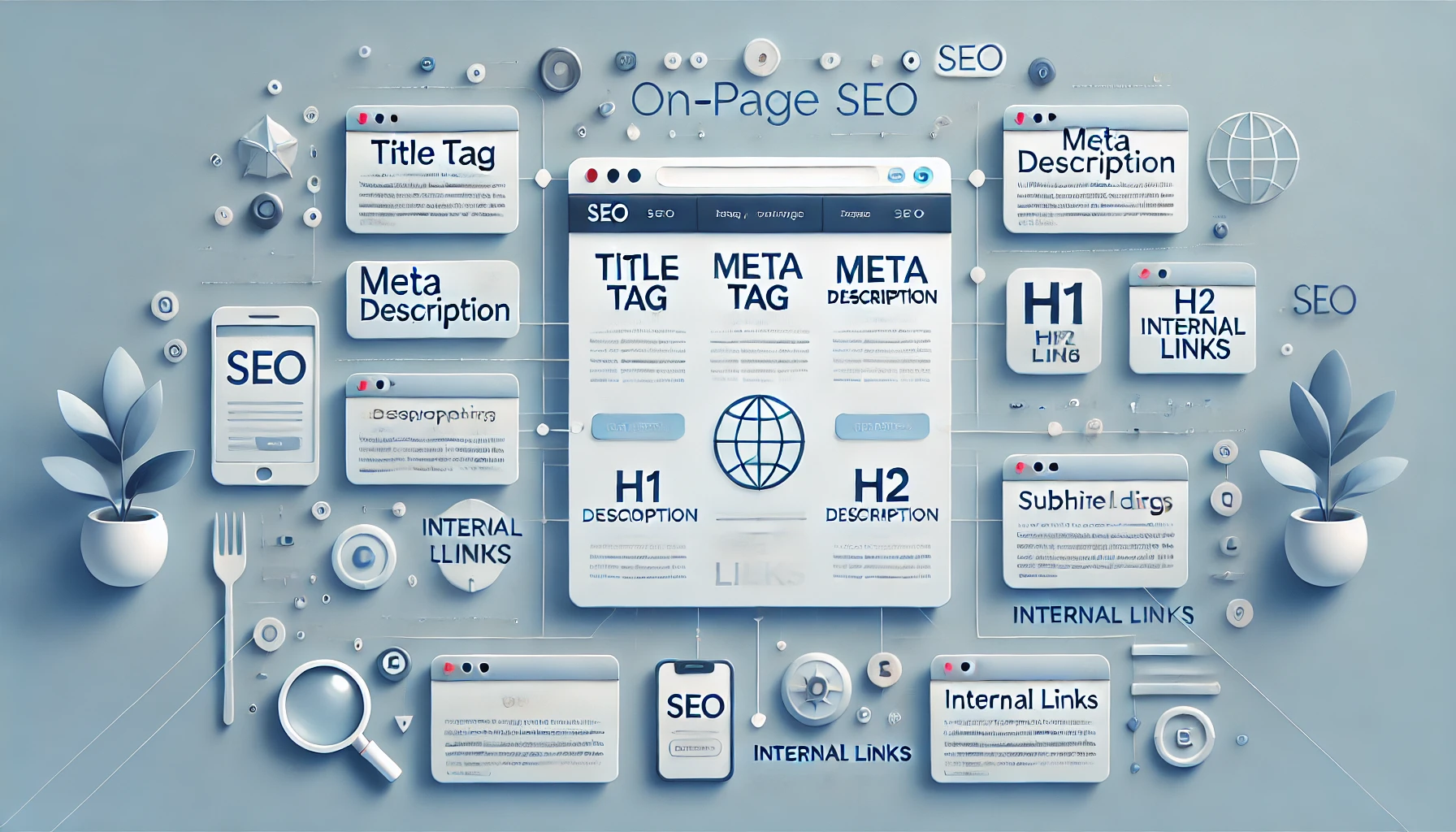
Your page title (H1) sets the direction for the rest of your page. It should immediately tell readers — and search engines — what the page is about.
A professional page title:
-
reflects the main keyword naturally
-
matches the search intent
-
remains simple and specific
-
avoids salesy or unclear wording
Example:
✔ “The Complete Guide to On-Page SEO.
❌ “Everything You Ever Wanted to Know About SEO Stuff
A precise title helps Google index your page correctly and improves your chance of appearing in relevant search queries.
Use a Logical Heading Structure (H2, H3, H4)
Search engines read content the same way humans do — section by section.
A clear heading structure:
-
makes content easier to skim
-
divides ideas logically
-
helps Google understand relationships between sections
-
supports your chance of ranking for featured snippets
Every major subtopic should be an H2. Supporting details become H3S or H4S.
Create Helpful, Original, Human-Centred Content
Google’s Helpful Content updates made one thing very clear:
Value beats volume.
Professional, rank-worthy content should:
-
Answer questions directly
-
Use clear and simple wording
-
offer perspective, examples, or insights
-
avoid filler statements or keyword stuffing
-
Stay focused on the topic
Search engines increasingly favour content that demonstrates clarity, usefulness, and genuine expertise.
Optimize Your Meta Title and Meta Description
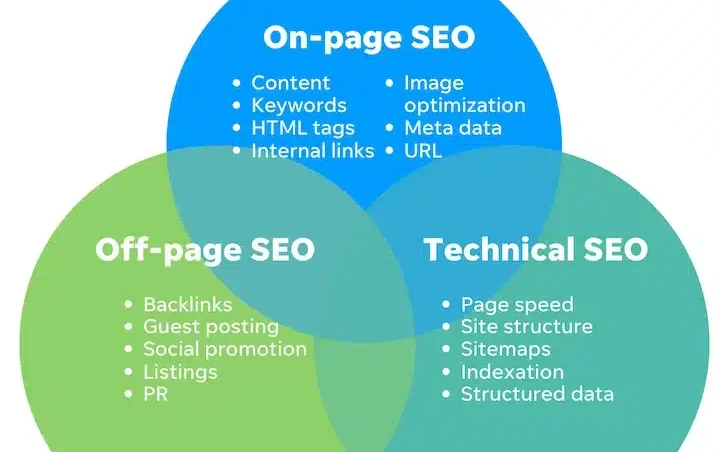
Your meta tags influence both search engine understanding and click-through rate (CTR). Higher CTR yields stronger ranking signals.
A strong meta title:
-
includes your primary keyword naturally
-
stays within 55–60 characters
-
clearly reflects the page topic
A strong meta description:
-
summarises the core benefit of the content
-
uses action-focused, human-friendly language
-
stays within 150–160 characters
Together, these elements help search engines index your page accurately and encourage more users to click.
Use Clean, Search-Friendly URLs
Professional SEO practice always recommends short, meaningful URLs.
Good URLs:
-
Describe the content
-
are easy for humans to read
-
avoid unnecessary numbers or symbols
Example:
✔ /on-page-seo-guide
❌ /seo-article-2025-v3?id=1287
A clean URL improves indexing clarity and helps users trust the link.
Optimise Images for Speed, Accessibility, and Search Engines
Images are essential to user experience, but can degrade performance if not optimised.
Every image should include:
-
compressed size for fast loading
-
descriptive file names
-
accessible, meaningful alt text
-
relevant placement within content
Proper optimisations support page speed, accessibility, and search visibility.
Strengthen Internal Linking
Internal links help both users and search engines:
-
Discover your important pages
-
understand topic relationships
-
navigate content more smoothly
-
Stay longer on your website
A strong internal linking strategy increases crawl efficiency and improves ranking potential for your high-value pages.
Improve Page Speed and Core Web Vitals
Fast websites perform better — both for users and in search results.
You can enhance performance by:
-
compressing images
-
Reducing unnecessary scripts
-
using caching
-
improving hosting quality
-
minimising page weight
Google’s ranking systems consider performance signals, so optimising speed has direct benefits.
Make Your Website Fully Mobile-Friendly
Mobile-first indexing means Google primarily evaluates the mobile version of your website.
A mobile-friendly page should:
-
load quickly
-
display cleanly on all screen sizes
-
include readable text
-
avoid oversized elements or horizontal scrolling
Good mobile usability improves ranking and enhances user satisfaction.
Implement Structured Data (Schema Markup)
Schema markup gives search engines additional context about your content.
Common schema types include:
-
Article
-
FAQ
-
How-To
-
Product
-
Review
-
Organization
While structured data is not a direct ranking factor, it can improve visibility through rich results, enhancing click-through rate.
Keep Your Content Updated
Search engines prefer content that reflects current information.
Professional SEO content audits often update:
-
outdated statistics
-
broken links
-
old screenshots or examples
-
unclear explanations
-
sections that need expansion
Refreshing content keeps your pages active and maintains ranking stability.
Conclusion
On-page SEO is more than adding keywords — it’s about clarity, structure, accessibility, and user experience.
When each page is built with intention, your website becomes easier for search engines to understand and more valuable for readers.
Master these on-page elements and you will:
✔ increase your visibility
✔ attract better-quality organic traffic
✔ improve ranking consistency
✔ build long-term authority in your niche
A website that invests in strong on-page SEO creates a solid foundation for every other SEO strategy to succeed.